
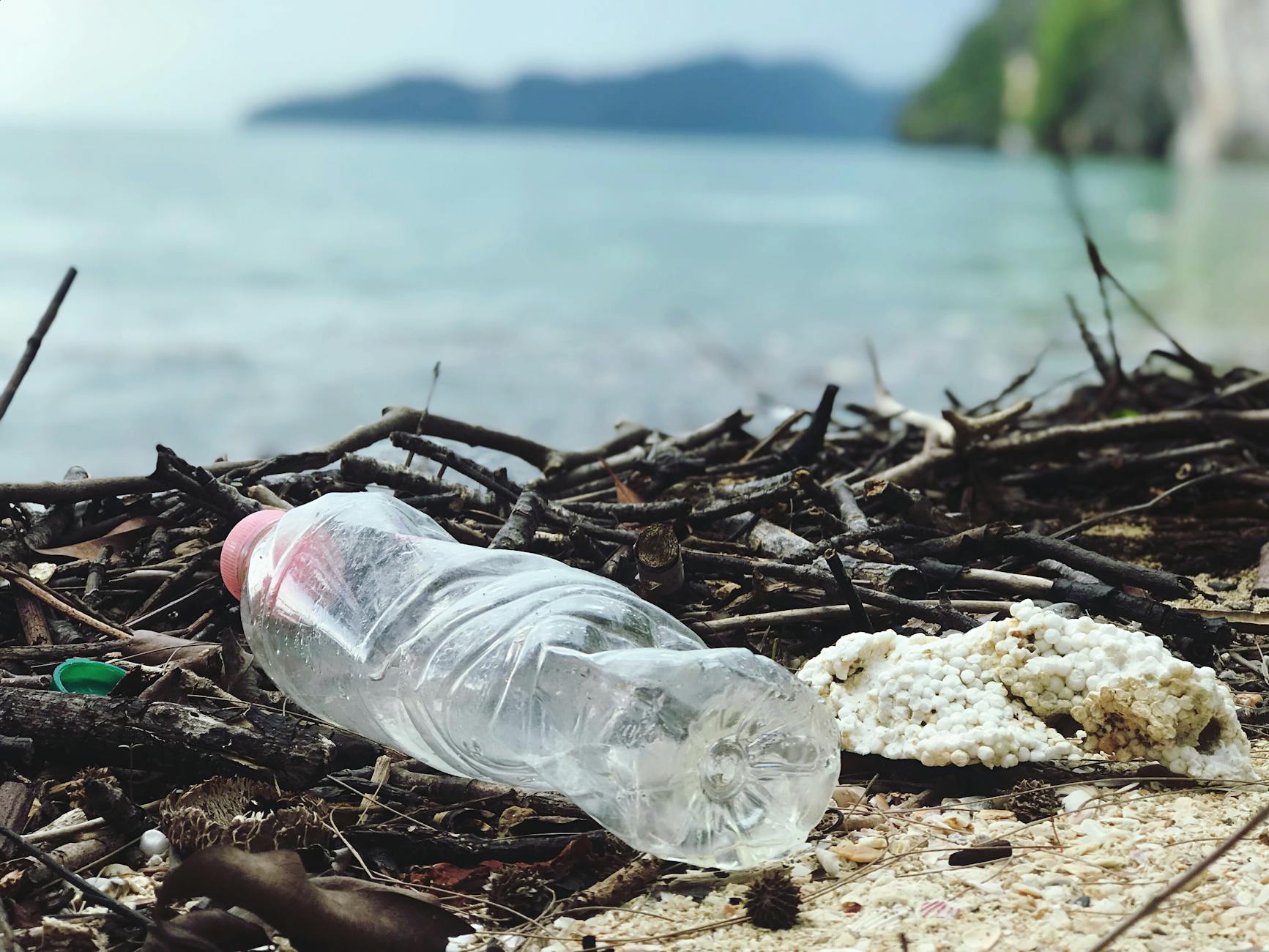
Water—the lifeblood of our planet—nourishes us, sustains ecosystems, and shapes landscapes. Yet, this precious resource faces a grave threat: pollution. From rivers to oceans, water bodies worldwide are drowning in chemicals, waste, plastic, and other pollutants. In this blog, we’ll delve into the causes of water pollution, its effects, and practical steps we can take to prevent it.
What is Water Pollution?
Water pollution occurs when harmful substances—often chemicals or microorganisms—contaminate streams, rivers, lakes, oceans, aquifers, or other bodies of water. This contamination degrades water quality, rendering it toxic to humans and the environment. Unsafe water claims more lives annually than war and all other forms of violence combined. Moreover, our accessible freshwater sources are scarce—less than 1% of Earth’s freshwater is within our reach. Without action, by 2050, global demand for freshwater will outstrip supply by one-third.
Causes of Water Pollution
Water, known as a “universal solvent,” readily dissolves substances, making it vulnerable to pollution. Here are major sources of water pollution:
- Agriculture: The agricultural sector consumes about 70% of global freshwater resources. Fertilizers, pesticides, and animal waste wash into waterways during rainfall, causing nutrient pollution. Excess nitrogen and phosphorus lead to algal blooms, harming people and wildlife.
- Sewage and Wastewater: Used water (sewage) from sinks, showers, toilets, and industrial activities enters water bodies. Storm water runoff carries road salts, oil, chemicals, and debris. Shockingly, over 80% of the world’s wastewater flows back untreated into the environment.
- Industrial Activities: Factories discharge pollutants directly into water. Oil spills, leaks, and imperfect water treatment plants degrade water supplies.
- Urbanization: Urban areas contribute to water pollution through littering, especially plastic waste.
- Religious and Social Practices: Rituals involving offerings or immersion of materials can pollute water bodies.
- Agricultural Runoff: Nutrient-rich runoff from farms affects water quality.
- Accidents: Oil spills, nuclear fallout, and other mishaps harm aquatic ecosystems.
Effects of Water Pollution
- Human Health: Polluted water causes diseases like typhoid, cholera, hepatitis, and cancer.
- Aquatic Life: Reduced oxygen content harms plants and animals in rivers and oceans.
- Algal Blooms: Toxic algal blooms kill fish, seabirds, marine mammals, and even humans.
- Ecosystem Disruption: Pollutants disrupt ecosystems, affecting biodiversity.
Preventing Water Pollution: Practical Steps
- Reduce Plastic Usage: Millions of tons of plastic enter oceans annually. Minimize plastic waste to protect water.
- Proper Waste Disposal: Dispose of waste correctly to prevent contamination.
- Sustainable Farming Practices: Adopt eco-friendly methods to reduce agricultural pollution.
- Conserve Water: Every drop counts. Use water efficiently.
- Support Pollution Prevention Policies: Advocate for regulations that safeguard water quality.
- Wastewater Treatment: Improve wastewater treatment systems globally.
- Replace Concrete with Ground Cover: Green spaces absorb runoff and reduce pollution.
- Avoid Pesticides and Herbicides: Opt for natural alternatives.
- Water-Efficient Toilets: Install water-saving fixtures.
- Storm water Management: Prevent runoff from carrying pollutants into water bodies.
Remember, our actions today determine the water quality for generations to come. Let’s protect this vital resource and ensure a healthier planet for all.
We hope you found this post helpful and we’d love to hear from you! If you have any comments, suggestions, or feedback, please feel free to share them below. Your input is invaluable to us and helps us improve our content. Also, if there’s a new topic you’re interested in or you’d like us to explore further, don’t hesitate to let us know. And if you enjoyed this article, please like, share, and subscribe for more updates. Your support means the world to us!


Let's hear it!