
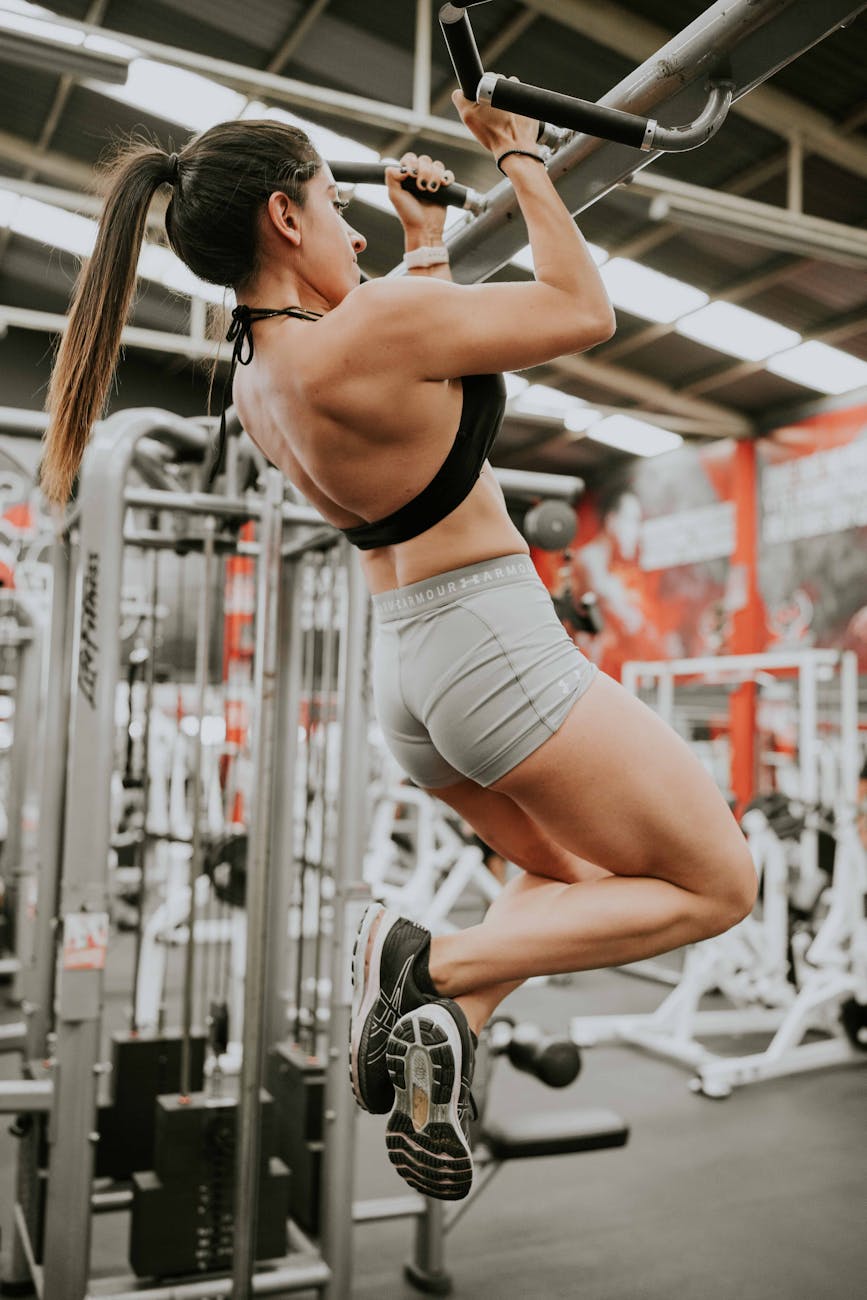
Pull-ups, a fundamental bodyweight exercise, offer numerous benefits for overall fitness. Whether you’re a beginner or an experienced athlete, incorporating pull-ups into your routine can significantly enhance your physical capabilities. In this essay, we’ll explore the importance of pull-ups, the progressive steps to achieve them, essential exercises, proper form, and the role of equipment.
1. The Benefits of Pull-Ups
Pull-ups engage multiple muscle groups, making them a powerful exercise for strength, endurance, and functional fitness. Here are some key benefits:
- Upper Body Strength: Pull-ups primarily target the back, lats, biceps, and shoulders. Regular practice leads to increased upper body strength and muscle development.
- Core Activation: Proper pull-ups require core stabilization, enhancing overall core strength.
- Functional Movement: Pull-ups mimic real-world movements like climbing, lifting, and pulling, making them practical for daily activities.
- Improved Posture: Strengthening the upper back helps counteract poor posture caused by prolonged sitting or desk work.
- Increased Grip Strength: Pull-ups challenge your grip, which is essential for various activities.
2. Progressive Steps to Achieve a Full Pull-Up
If you’re new to pull-ups, follow these steps to progress gradually:
- Negatives: Start by jumping to the top position of a pull-up and lowering yourself slowly. Focus on controlled descents.
- Assisted Pull-Ups: Use bands or a partner to assist you. Gradually reduce assistance as you get stronger.
- Half Pull-Ups: Perform partial pull-ups, aiming to reach your chin over the bar.
- Full Pull-Ups: Once you can do half pull-ups, work toward completing a full pull-up.
3. Essential Exercises for Pull-Up Preparation
Before attempting full pull-ups, strengthen the relevant muscle groups:
- Lat Pulldowns: Use a cable machine to simulate the pull-up motion.
- Rows: Bent-over rows or inverted rows build upper back strength.
- Scapular Retractions: Practice retracting your shoulder blades.
- Bicep Curls: Strong biceps are crucial for pull-ups.
4. Proper Pull-Up Form
Follow these guidelines for optimal form:
- Grip: Use an overhand (pronated) grip, slightly wider than shoulder-width apart.
- Hang: Start from a dead hang with arms fully extended.
- Pull: Engage your lats and pull your chest toward the bar. Keep your core tight.
- Chin Over Bar: Aim to get your chin above the bar.
- Lower Slowly: Control your descent to avoid swinging.
5. Reps and Sets
Once you can perform full pull-ups, aim for 3-5 sets of 5-10 repetitions. Gradually increase intensity and volume.
6. Equipment
Choose the right equipment:
- Pull-Up Bands: For assistance during progression.
- Gym Rings: Enhance stability and challenge.
- Pull-Up Bars: Wall-mounted, door, or free-standing options.
Conclusion: Rise to the Challenge
Pull-ups are more than just an exercise; they symbolize resilience and determination. Start where you are, progress steadily, and celebrate each achievement. Remember, building strength through pull-ups prepares you for life’s challenges. So, grab that bar and rise to the occasion!
We hope you found this post helpful and we’d love to hear from you! If you have any comments, suggestions, or feedback, please feel free to share them below. Your input is invaluable to us and helps us improve our content. Also, if there’s a new topic you’re interested in or you’d like us to explore further, don’t hesitate to let us know. And if you enjoyed this article, please like, share, and subscribe for more updates. Your support means the world to us!




Let's hear it!