
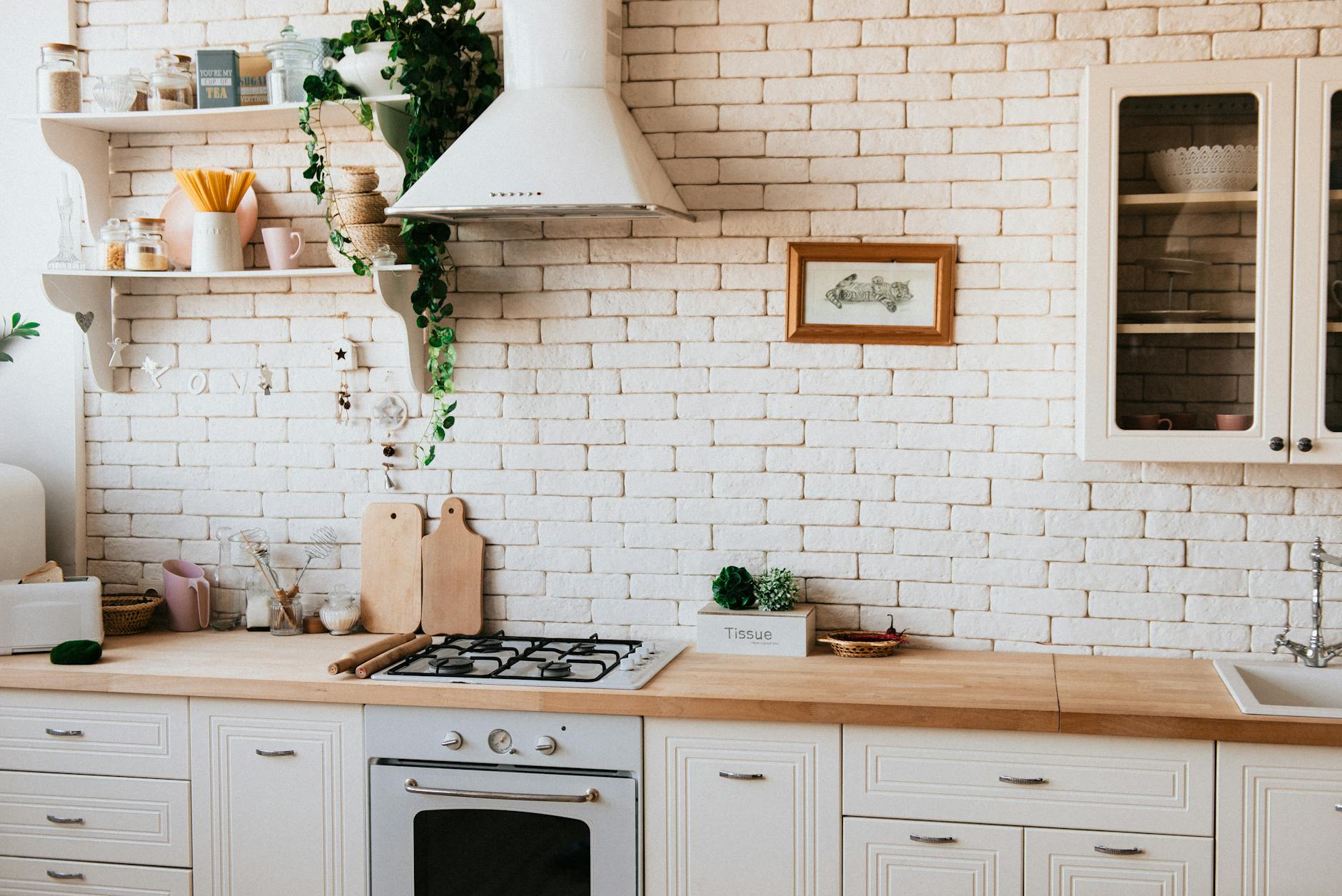
In ancient India, Vastushastra provided guidelines for setting up a kitchen to ensure harmony and positive energy. Here are some essential rules to follow:
Location: The kitchen should be at the Agneya (southeast) corner of the house. This placement is believed to harness the fire element, promoting health and prosperity.
Countertop Shape and Orientation: The countertop should be L-shaped, and while cooking, you should face east. This orientation is considered auspicious and ensures a positive flow of energy.
Countertop Material: The countertop should be built of black marble or Sangamarmar. These materials are not only durable but also align with Vastushastra principles.
Countertop Height: The height of the countertop should be 32 inches. This height is considered optimal for comfort and efficiency while cooking.
Proximity of Appliances: There should be minimal distance between the gas stove, fridge, and sink. This arrangement ensures convenience and maintains the balance of elements.
Color Scheme: Use light colors in the kitchen, such as light shades of grey, blue, yellow, green, milk color, or white. These colors promote a calm and positive atmosphere.
Flooring Color: Avoid using white color for the flooring in the kitchen. Instead, opt for colors that complement the overall color scheme and are easy to maintain.
Placement of Electrical Elements: All electrical elements should be kept on the countertop at the Agneya corner. This placement aligns with the fire element and ensures safety and efficiency.
Conclusion
Following these Vastushastra guidelines can help create a kitchen that is not only functional but also harmonious and filled with positive energy. By paying attention to the location, materials, and colors, you can ensure that your kitchen is a place of balance and well-being.
We hope you found this post helpful and we’d love to hear from you! If you have any comments, suggestions, or feedback, please feel free to share them below. Your input is invaluable to us and helps us improve our content. Also, if there’s a new topic you’re interested in or you’d like us to explore further, don’t hesitate to let us know. And if you enjoyed this article, please like, share, and subscribe for more updates. Your support means the world to us!
While Vaastu Shastra is technically referring to the science of architecture, its current practice often strays into pseudoscience and superstition. Articles on this platform serve as a lens into Hindu culture and living, but they don’t validate unscientific methods. Approach them with critical discernment.


Let's hear it!