
Building a house is a significant milestone in anyone’s life, and the first step towards this dream is selecting the perfect plot. Here are some factors to consider when choosing a plot for your future home.
1. Size and Direction of the Plot
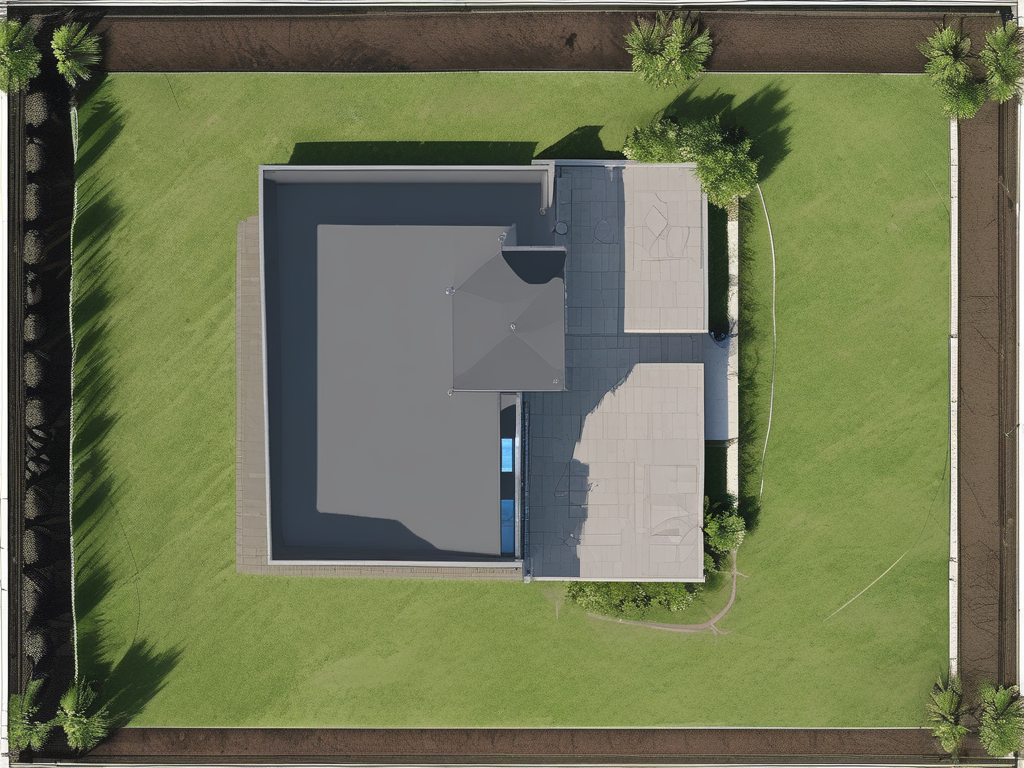
The plot should be large enough to accommodate your house and a garden. An optimal area for a single-family house is at least 700m². The direction of the plot also plays a crucial role. North-facing plots are considered highly auspicious. East and west-facing plots can also be considered, but south-facing land should be avoided. The North-East corner plot is considered the best.
2. Shape of the Plot
The shape of the plot can significantly impact the design of your house. Irregular shapes like triangles or trapezoids can pose challenges. If the plot is less than 16m wide, it might be difficult to find a suitable project. A plot with equal length and width is considered ideal as it ensures all-round growth and prosperity.
3. Plot Arrangement
The most advantageous location is the entrance to the plot from the north and the garden from the south. This arrangement is also beneficial if you plan to use renewable energy sources like photovoltaic panels in your home.
4. Land Features
Slopes can cause problems when designing a home and can increase costs related to adapting the construction technology to the shape of the plot. It is also more challenging to design a garden on a sloped plot.
5. Access to the Plot
The plot must have an access road with the width specified by the local authorities. Most often, this is a public road.
6. Soil Investigation
Conducting soil research, such as carrying out a series of boreholes, can help you choose the appropriate foundation structure and determine the groundwater level.
7. Access to Facilities
The plot should have access to electricity. Also, consider the proximity to essential amenities like shops, educational institutions, and public transportation.
8. Legal Status of the Property
You can obtain extracts from the land register and a map detailing the plot area, land class, owner data, and the land mortgage register number from the Geodesy Department of the local Registrar’s office.
9. Designation of the Plot
Verify the purpose of the plot in the spatial development plans available at the municipal office. Sometimes, a plot listed as a construction plot turns out to be agricultural land or land intended for service or industrial construction.
Conclusion
Choosing the right plot is the first step towards building your dream home. By considering these factors, you can ensure that your new house will not only be a comfortable and safe place to live but also a wise investment for the future.
While Vastu Shastra is technically referring to the science of architecture, its current practice often strays into pseudoscience and superstition. Articles on this platform serve as a lens into Hindu culture and living, but they don’t validate unscientific methods. Approach them with critical discernment.
We hope you found this post helpful and we’d love to hear from you! If you have any comments, suggestions, or feedback, please feel free to share them below. Your input is invaluable to us and helps us improve our content. Also, if there’s a new topic you’re interested in or you’d like us to explore further, don’t hesitate to let us know. And if you enjoyed this article, please like, share, and subscribe for more updates. Your support means the world to us!






Let's hear it!