
Here is the ultimate guide to Lonavala. Be it a weekend getaway or a week long deep dive we have you covered.
- Effortless travel
- Convenient inter-city travel
- Where to stay in Lonavala?
- When is the best time to visit Lonavala?
- Swami Samarth Math(/mʌt/)
- Ekvira Devi Mandir
- Echoes of Time: The Karla Caves
- Baapdevi Mandir
- Narayani Dham Mandir
- Ryewood Park
- Tiger point / Lions Point
- Bhushi Dam
- Khandala Lake
- Rajmachi Garden
- Waghjai Mandir
- Tungarli Dam
- Balumama Mandir and Valvan Dam
- Lucky’s Wax Museum
- Bhaje Caves
- Lohagad
- Pawna Lake
- Conclusion

Lonavala is a name synonymous with quick getaways. Yet, my journey there was anything but brief. Delving into its depths, I discovered a treasure trove of experiences that defy the usual day-trip narrative. From the whispering winds at Tiger’s Point to the tranquil sunset at Pawna Lake, Lonavala revealed its potential as not just a stopover, but a destination in its own right. It is time to look beyond the weekend and see what wonders a little extra time in this city can unveil.
Effortless travel
Embarking on a journey to Lonavala is an adventure in itself. I began my sojourn from Panvel, boarding a bus that meandered through the scenic vistas leading to this enchanting hill station. For those emanating from the heart of Mumbai or the academic environs of Pune, the train offers a rhythmic passage through the Western Ghats.
For the autonomous spirit, driving down the Mumbai-Pune Expressway presents an exhilarating experience, with the road hugging the contours of the lush landscapes. Taxis, too, offer a private odyssey, delivering you to the doorstep of Lonavala’s wonders.
Convenient inter-city travel
Upon arrival, the city’s veins pulse with the thrum of autorickshaws, ready to whisk you away to sights unseen. The local buses, though less frequent, provide a window into the daily rhythms of Lonavala’s heartbeats. I opted for the personalized touch of an autorickshaw, with Mr. Ravindra Deshmukh as my guide. His curated packages, ranging from Rs.1200 to Rs.1800(subject to change without notice), promised a comprehensive tour of the region’s splendors. Join me on this path less trodden and discover the myriad routes that lead to the soul of Lonavala.

You can contact Mr. Ravindra Deshmukh to book your day tours here:
+919975243227 (subject to change without notice) to book your day trips in Lonavala and Khandala area. He has a access to a network of Rickshaws that will take you to local attractions.
Where to stay in Lonavala?
Lonavala, a haven for wanderers and romantics alike, offers a myriad of stay options to suit every traveler’s dream. From quaint city apartments that whisper tales of local life to opulent resorts that echo with luxury, this destination caters to all.
In the heart of this diversity, I found my home away from home at Hotel Flora Ecostay. A gem tucked away just a stone’s throw from the bustling city, yet intimately connected to the serene landscapes of Lonavala and Khandala. The hotel itself is a blend of elegance and comfort, promising more than just a place to rest. The stay was nothing short of delightful, with a staff that anticipates every need with a smile. At the helm, Mr. Narendra Sarkar stands as a paragon of hospitality, ensuring that every moment spent is wrapped in comfort and every need is met with grace.

As for the visuals, imagine waking up to the soft chorus of nature, the gentle rustle of leaves, and the distant hum of the city awakening. The pictures, though absent here, would only serve as a mere glimpse into the experience that awaits at Hotel Flora Ecostay.
If you wish to book a room at Flora Ecostay you may reach out to the manager Mr. Narendra Sarkar at +919356033910. They also post room availability on Google, Trivago, Agoda and several other platforms. Here is a link to their google page:
https://maps.app.goo.gl/8SkBywu65NP792sm8
When is the best time to visit Lonavala?
Lonavala, the jewel of the Sahyadri, beckons travelers with its verdant valleys and misty cliffs throughout the year. Yet, it is the monsoon that cloaks it in an ethereal allure, drawing in throngs of visitors until every cozy nook and cranny is a cherished retreat.
I chose the path less traveled, venturing into this paradise during the off-season. It was a deliberate quest to peel back the layers of this bustling tourist hub, to understand the pulse of Lonavala when the crowds dissipate and silence speaks. With the monsoon’s departure, the land breathes. The waterfalls, now serene, whisper secrets of the peak season’s revelry. The panoramic vistas, unobstructed by umbrellas and raincoats, stretch into the horizon, inviting contemplation. This was not just a visit; it was an exploration, an in-depth study of the intricate tapestry that is Lonavala’s tourism. Away from the cacophony of peak season, I found clarity and insight into the rhythms that govern this enchanting locale.
Join me on this journey off the beaten track, where the true essence of Lonavala unveils itself, not in the torrential downpour, but in the bright glow that precedes it.
Swami Samarth Math(/mʌt/)
Nestled within a stone’s throw from my hotel, the Swami Samarth Math stands as a beacon of hope and tranquility. This humble abode of spirituality has weathered the sands of time, offering solace to those who seek it for decades.
As I stepped through its unassuming gates, I was enveloped by an aura of peace that seemed almost tangible. The Math, with its stark simplicity, whispered tales of selfless service and unwavering devotion. Here, the underprivileged find a haven, a place where their lives are gently uplifted through the nurturing hands of education and the support of monetary aid.

Each day, the Math’s benevolent souls serve up not just meals to the famished but also a feast of compassion to the starved hearts. They offer shelter to the homeless, wrapping them in the warmth of community and care. It is a transformative journey for any visitor, a cathartic unraveling of the soul’s knots. To step into this sanctuary is to witness the purest form of human kindness. To pray here is to have your spirit soar with blessings. And should you feel the stirrings of generosity, your contributions can fuel this noble crusade to better lives.
Ekvira Devi Mandir

Imagine a place where the whispers of history and spirituality echo with every step you take. The Ekvira Aai Temple is not just a structure; it is a journey that begins with a challenging ascent of 500 steps, each one bringing you closer to the divine. As you rise above, the Karla Caves stand as silent sentinels, guarding the ancient practices where Buddhism once flourished. At the summit, the temple awaits, a beacon for the faithful, where the goddess Ekvira, a revered form of the mighty Renuka, bestows her blessings. Accompanied by Jogeśvarī Devi, she reigns over the land, her powers a source of awe and wonder. Here, amidst the fervor of Navaratri, the air itself seems to pulse with devotion, and the goddess’s mystical aura captivates all who come seeking her grace. This is not just a visit; it is an experience that transcends the ordinary, leaving visitors enchanted and yearning for more.
Echoes of Time: The Karla Caves
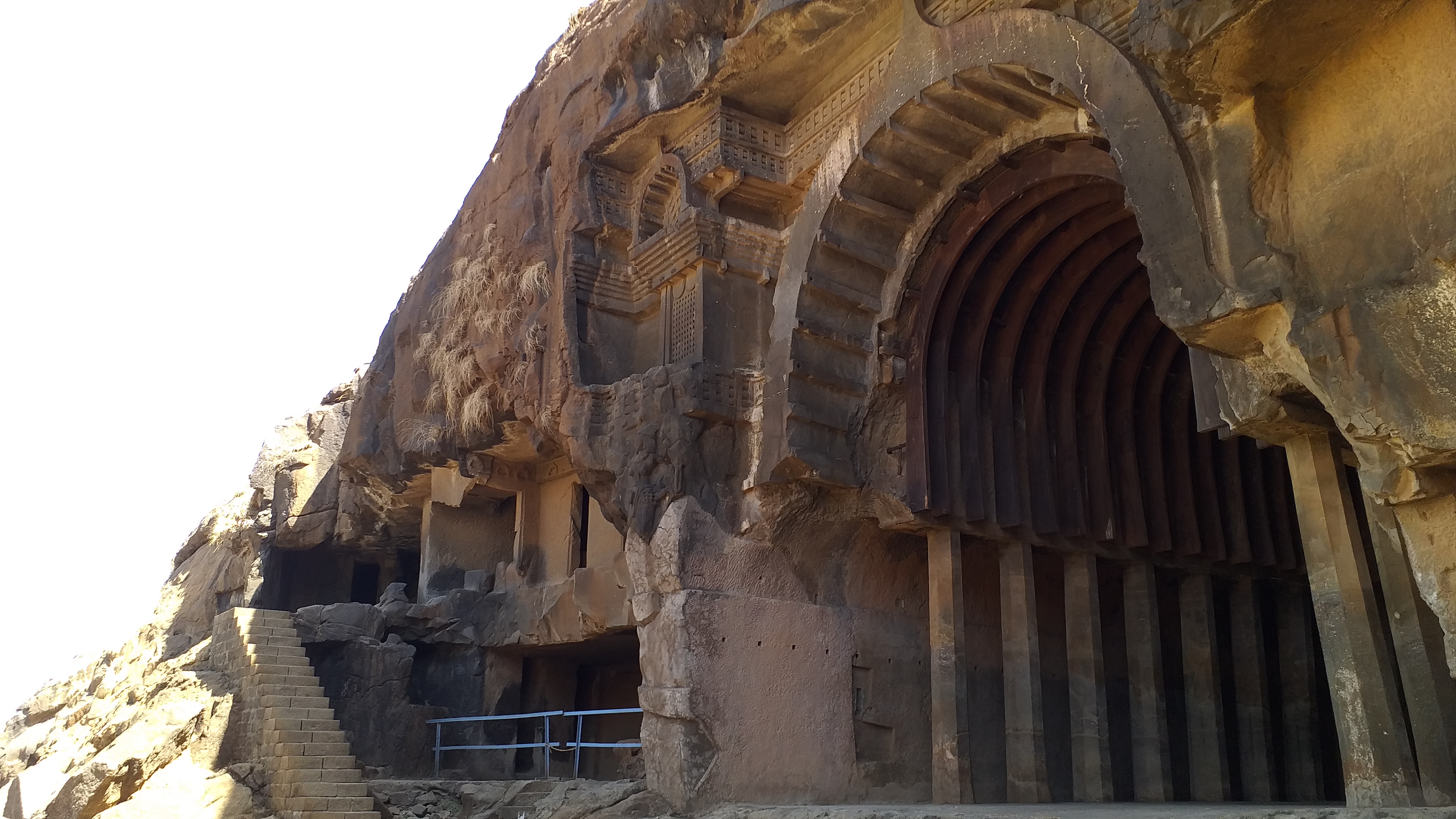
Amidst the rugged hills of Maharashtra, where the whispering winds carry secrets from centuries past, lies a hidden treasure—a sanctuary carved into the very heart of the earth. Welcome to the Karla Caves, where ancient echoes resonate, and the stones themselves seem to breathe.

1. A Journey Through Time:
Close your eyes and step back—far back—beyond the bustling streets of modern Lonavala. Imagine a time when the sun painted the sky in hues of saffron, and the air was thick with the scent of incense. It is here, in the 2nd century BCE, that the chisels of devotion began their dance upon the living rock.
2. The Grand Chaitya:
Picture a cavernous hall—a celestial abode for seekers and pilgrims. Its vaulted ceiling reaches for the heavens, adorned with intricate carvings that tell tales of gods and mortals. This is the Grand Chaitya, a prayer hall so vast that it seems to touch eternity. As sunlight filters through the centuries-old columns, it illuminates the path of enlightenment.

3. Sculptures That Breathe:
Trace your fingers along the cool stone walls. Here, the artisans of antiquity have frozen moments in time. Gods and goddesses emerge from the rock, their eyes alight with cosmic wisdom. The Bodhisattvas, with half-smiles and lotus blooms, beckon you to seek truth. And there, in a quiet alcove, a meditating Buddha radiates serenity—a timeless invitation to inner peace.

4. Whispers of Trade and Faith:
Why were these caves hewn? Not merely for solitude, but for prosperity. The Karla Caves stood sentinel along a vital trade route, where merchants exchanged silks, spices, and dreams. Their donations—like fragrant petals—sustained this sacred refuge. Rulers, too, recognized its significance, weaving their legacy into the very stones.
5. Guardians of Stone:
Today, as you wander through these ancient corridors, listen. The walls murmur tales of devotion, resilience, and impermanence. The Archaeological Survey of India guards this legacy, ensuring that time’s erosion does not erase the whispers of the past. Visitors come, seeking solace, or simply marveling at the artistry—a communion across millennia.

Baapdevi Mandir
Nestled in the verdant hills of Lonavala lies a serene sanctuary, a temple that stands as a testament to the enduring spirit of devotion. Here, amidst the whispers of ancient prayers and the soft rustle of leaves, the locals find solace and strength in the presence of the divine Baapdevi.

As the Marathi New Year dawns with the festival of Gudi Padwa, the temple transforms into a vibrant tapestry of colour and celebration. The Jatra, a county fair steeped in tradition, beckons devotees from distant lands to partake in a grand procession. The air is thick with the aroma of Indrayani rice, a local treasure, symbolizing the bounty of the earth and the community’s harmonious bond with nature.
This annual pilgrimage is more than a ritual; it is a moment of collective awakening, a time when the world converges at the temple’s steps, seeking the goddess’s blessings. As the deity’s chariot glides through the throngs of the faithful, every cheer, every prayer, every petal thrown in adoration, reaffirms the community’s unwavering faith.
In Lonavala’s temple, every stone tells a story, every corner echoes a hymn, and every visit leaves a whisper of the divine in the soul. It is a place where peace reigns, where the sacred and the worldly dance in harmony, and where every heart finds its way home.
Narayani Dham Mandir
Step into the realm of Shree Narayani Dham, a modern-day marvel that merges the sanctity of spiritual traditions with the elegance of contemporary architecture. Here, marble floors gleam under the soft glow of devotion, and rose gardens bloom with the prayers of the faithful.
A Sanctuary of Serenity and Service

In the bustling heart of the city, Shree Narayani Dham stands as a beacon of tranquility. Its spacious halls echo with the harmonious chants of worship, while the gentle murmur of the fountain whispers tales of inner peace.
Conceived from a collective vision in 2008, this temple complex was brought to life by the hands of those who dreamt of a sanctuary for the soul. On 24 May 2010, the gates of Shree Narayani Dham opened, inviting all to a place where humanity and divinity converge.

For the Young and the Young at Heart

Within its walls, children find joy in play spaces designed just for them, while adults find respite in the Satvik nourishment served with care. The night transforms the temple into a luminous palace, its lights casting a celestial aura that beckons the divine.

Accommodations fit for kings yet priced for all, the complex offers 62 single-bed rooms, cozy dormitories, and regal bungalows, each a testament to meticulous upkeep and hospitality.

Embrace the Divine, Embrace Community

Shree Narayani Dham is not just a temple; it’s a vibrant community pulsating with life. From the gaushala, where cows named after mythological figures roam, to the halls where weddings celebrate love, every corner of this 4.5-acre expanse is infused with purpose and passion.

Here, the deities of Shree Durga Maa, Shree Siddhivinayak, and Shree Salasar Hanuman reside, overseeing a myriad of facilities that cater to both the spiritual and the temporal needs of visitors.
A Vision for the Future


The temple’s ethos, “society first,” reflects in its commitment to uplift the marginalized and to kindle the flames of cultural wisdom within the youth. It stands as a pillar of hope, a place where values of ancient times are harnessed to forge a brighter tomorrow.
Visit, Stay, and Be Enriched
Weekdays: 7.00 am – 12.00 pm | 3.15 pm – 7.30 pm
Weekends: 7.00 am – 1.00 pm | 3.15 pm – 7.30 pm

Shree Narayani Dham welcomes you to a journey of discovery, where every step is a step towards enlightenment, every stay an embrace of the divine. Come, be part of this extraordinary legacy.
Ryewood Park
In the heart of Lonavala, there exists a verdant oasis, a garden where time stands still. The trees, stoic sentinels of history, have stood for centuries, their roots intertwined with the stories of the locals who have nurtured them through the ages.
A Sanctuary of Play and Peace

Near their sprawling canopies, an ancient Shiv temple lies, as old as the trees themselves, a silent witness to the ever-changing world. It is here, in this natural amphitheater, that the spirit of play thrives.

Groups gather, united by the simple joy of games born from imagination—games that demand the grace of a dancer, the focus of a hunter, and the endurance of a marathoner. These nameless games, unique as the individuals who crafted them, are a testament to human creativity and camaraderie.

The Garden: A Timeless Retreat

The garden’s tranquility is a balm to the soul, an invitation to step away from the clamor of daily life. It is a place where laughter echoes, where friendships are forged in the thrill of competition and the shared moments of rest.
As the sun filters through the leaves, casting dappled shadows on the earth, the garden becomes more than just a space—it becomes a living, breathing realm where memories are made, where the old forest’s embrace inspires the perfect setting for games and gatherings.

Come, lose yourself in the timeless enchantment of Lonavala’s garden. Whether you seek the quiet contemplation by the old Shiv temple or the exhilarating rush of a game yet unnamed, you will find it here, amidst the whispers of the past and the vibrant pulse of the present.
Tiger point / Lions Point

Perched atop the Sahyadri ranges, Tiger Point and Lion’s Point offer breathtaking views of Lonavala’s lush landscapes. Tiger Point, shaped like a leaping tiger, presents a dramatic vista of rolling hills and waterfalls, especially mesmerizing at sunrise and sunset. A stone’s throw away, Lion’s Point provides a panoramic spectacle of cloud-kissed mountains and verdant valleys, a perfect backdrop for nature photography and soulful contemplation. Together, they encapsulate the essence of Lonavala’s majestic beauty. The best time to visit Tiger Point and Lion’s Point in Lonavala is during the monsoon season, from June to September, when the landscape is lush and waterfalls are abundant. The late afternoon, before sunset, is particularly recommended for its stunning views. Winters also offer a pleasant climate for visiting these scenic spots. Enjoy the natural beauty and serene atmosphere during these times for an unforgettable experience.
Bhushi Dam

Bhushi Dam, cradled in the lush embrace of Lonavala, is a spectacle of nature’s bounty. Best visited during the monsoon months, when the Indrayani River overflows, it transforms into a cascading waterfall that dances over the steps and rocks. The dam, alive with the laughter and chatter of visitors, offers a refreshing escape. As the waters surge, the dam becomes a canvas of exhilarating beauty, a place where memories are etched against the backdrop of the majestic Sahyadri ranges.
Khandala Lake

Khandala Lake, nestled in the emerald embrace of the Western Ghats, is a serene retreat best savored between October and May. As the monsoon retreats, the lake becomes a mirror to the sky, reflecting the tranquil beauty of Khandala. It is a time when the air is crisp, the flora is in full bloom, and the gentle ripples of the lake whisper stories of timeless charm. A visit to Khandala Lake is an invitation to witness nature’s quiet spectacle, a moment to pause and soak in the picturesque serenity.
Rajmachi Garden

Rajmachi Garden, a lush haven in Khandala, offers a splendid view of the mighty Western Ghats and the bustling Mumbai-Pune Expressway. It is a place where nature’s beauty is on full display, with the historic Rajmachi Fort standing proudly in the backdrop. The garden serves as a perfect viewpoint, inviting visitors to bask in the tranquility of the greenery and delve into the grandeur of the fort’s past. A visit here is a journey through time, where the echoes of history blend seamlessly with the whispers of the wild.
Waghjai Mandir

Amidst the verdant splendor of Tiger Valley, the Waghjai Mandir stands as a serene abode of the divine. Here, the Goddess Waghjai is venerated in an idol unlike any other, drawing devotees to celebrate Navaratri with fervor and gaiety. The temple, a tranquil haven, offers a clifftop viewpoint that unveils the lush tapestry of the valley—a breathtaking panorama that stirs the soul. It is a place where peace pervades, where prayers ascend, and where the heart finds its sanctuary in the embrace of nature’s grandeur.

Tungarli Dam
Tungarli Dam, a hidden gem in the heart of Lonavala, stands as a testament to the ingenuity of the British era. Constructed in the 1930s, this dam was pivotal in the irrigation of the Rajmachi region, transforming the landscape into a fertile haven. Today, it serves as a tranquil picnic spot, where visitors can revel in the beauty of the Sahyadri ranges and the calm waters of Tungarli Lake. The dam’s legacy continues, as it remains a vital source of water and a serene escape for those seeking solace from the bustle of city life.

Balumama Mandir and Valvan Dam

Balumama Mandir in Lonavala is a spiritual haven, cradled amidst the tranquil hills that offer a picturesque view of the Western Ghats. This temple is not just a structure of worship but a cornerstone of local faith, where the legacy of Saint Balumama—a shepherd saint revered for his miracles and benevolence—continues to inspire devotion. For the locals, it is a place of profound significance, where the echoes of Balumama’s teachings on righteousness and virtue resonate, offering solace and guidance to all who visit. A spiritual oasis in Lonavala, it is perched with a serene view over the Valvan Dam. This picturesque location offers a tranquil backdrop for the temple, which is deeply rooted in the local community’s heart. The temple’s vantage point provides a panoramic view of the dam’s calm waters, set against the lush greenery of the Sahyadri ranges. It is a place where the spiritual and natural worlds intertwine, offering a peaceful retreat for reflection and worship.

Valvan Dam, a cornerstone of Lonavala’s charm, is an artificial reservoir created for hydroelectric power that has become a beloved tourist spot. Built during the British era, it is a place where history and modernity blend seamlessly. The dam, set against the Sahyadri mountains, offers a picturesque setting for picnics and leisurely strolls. As a vital source of water and energy, it stands as a symbol of human ingenuity and a monument to the enduring allure of Lonavala’s natural beauty.
Lucky’s Wax Museum

Step into the world of Lucky’s Wax Museum in Lonavala, where artistry and entertainment blend to create an unforgettable experience. Marvel at life-size wax figures of celebrities and historical icons, crafted with astonishing detail. Beyond the wax statues, the museum offers a thrilling 9D Cinema, a spine-chilling Horror House, and a disorienting Mirror Maze. With a Miniature World that captures the imagination, Lucky’s Wax Museum is a treasure trove of wonders.

For an adventure that is both captivating and cost-effective, take advantage of the combo offer. Immerse yourself in the full array of attractions for just Rs.500, saving Rs.100 off the total value. Whether you are planning a solo visit or bringing a group, Lucky’s Wax Museum promises a day of fun, fascination, and memories to last a lifetime.

Bhaje Caves

Nestled in the Sahyadri hills of Maharashtra, the Bhaje Caves are a testament to ancient Indian rock-cut architecture. Dating back to the 2nd century BC, these caves were etched into the basalt rock formations, standing as one of the earliest examples of Buddhist monastic dwellings. The caves served as sanctuaries for Buddhist monks during the Hinayana phase of Buddhism, offering insights into the spread of this religion through India’s Western Ghats.

The Bhaje Caves’ architecture is remarkable, with 22 caves showcasing a blend of intricate carvings and stupa designs. The most striking feature is the Chaityagruha, with its vaulted horseshoe ceiling—a style derived from wooden architecture. This grand prayer hall, supported by ornate pillars, and the viharas, or monastic cells, reflect the skill and artistry of ancient craftsmen. The caves also house a unique set of stupas, believed to contain the relics of monks who once resided here.

Over the centuries, the Bhaje Caves have stood as a symbol of India’s rich cultural tapestry, intertwining influences from Buddhism, Jainism, and Hinduism. Today, they attract scholars and tourists alike, drawn to their historical and spiritual allure. The caves continue to influence modern Indian culture and architecture, reminding us of the country’s diverse religious heritage and the enduring legacy of its ancient civilizations.

The best time to visit the Bhaje Caves is during the cooler winter months from November to February. This period offers pleasant weather, ideal for exploring the caves and their surroundings without the hindrance of rain or the extreme heat of the summer months.
Lohagad

Perched atop the Sahyadri ranges near Lonavala, Lohagad Fort stands as a symbol of India’s rich history. With its roots stretching back to the 14th century, it has been a witness to the rise and fall of several dynasties, including the Marathas, Mughals, and the British Empire. The fort’s robust architecture and strategic location made it a prized possession for rulers, serving as a treasury for the Marathas and a stronghold during various conflicts.

Lohagad is steeped in folklore, with tales of valor and strategic brilliance echoing through its walls. One such tale tells of Nana Phadnavis, who, according to legend, completed the construction of the Ganesh Darwaja only after appeasing the gods through a significant sacrifice. The fort’s cultural significance is further highlighted by its temples and a dargah, showcasing the religious harmony that existed within its precincts.

Today, Lohagad Fort remains in good condition, inviting trekkers and history enthusiasts to explore its ramparts and enjoy panoramic views of the surrounding landscape. The fort is a protected monument, with efforts focused on preserving its historical integrity for future generations. Visitors can access the fort for a small fee of Rs.25(may differ for international visitors), making it an accessible piece of history for all to appreciate.

Pawna Lake

Cradled in the lush embrace of the Sahyadri hills, Pawna Lake is a picturesque expanse of water that mirrors the sky. Created by the Pavana Dam in 1973, it has a history rooted in utility, now transformed into a haven for relaxation and recreation. Visitors can glide over its glassy surface on boat rides, or seek thrills in kayaking and paragliding. As the sun dips below the horizon, the lake becomes a canvas for the vibrant hues of sunset, making it a photographer’s delight. With its burgeoning popularity, Pawna Lake is blossoming into a tourism gem, offering a tranquil escape and a touch of adventure to all who wander its shores.
Conclusion
Our journey through Lonavala was truly a delightful odyssey that revealed the city’s hidden charms and serene beauty. Although our visit took place during the off-season, we were pleased to find that many attractions and services were readily available, ensuring a fulfilling and enjoyable experience. Our extended stay allowed us to immerse ourselves in the vibrant tapestry of Lonavala’s culture, history, and natural wonders, and we can attest that there was never a dull moment. Whether it’s a weekend getaway or a longer sojourn, Lonavala offers a perfect blend of tranquility, adventure, and exploration. With its diverse array of attractions, tranquil retreats, and captivating landscapes, Lonavala truly stands as a great destination for a short holiday, promising memories that will last a lifetime.



Let's hear it!