
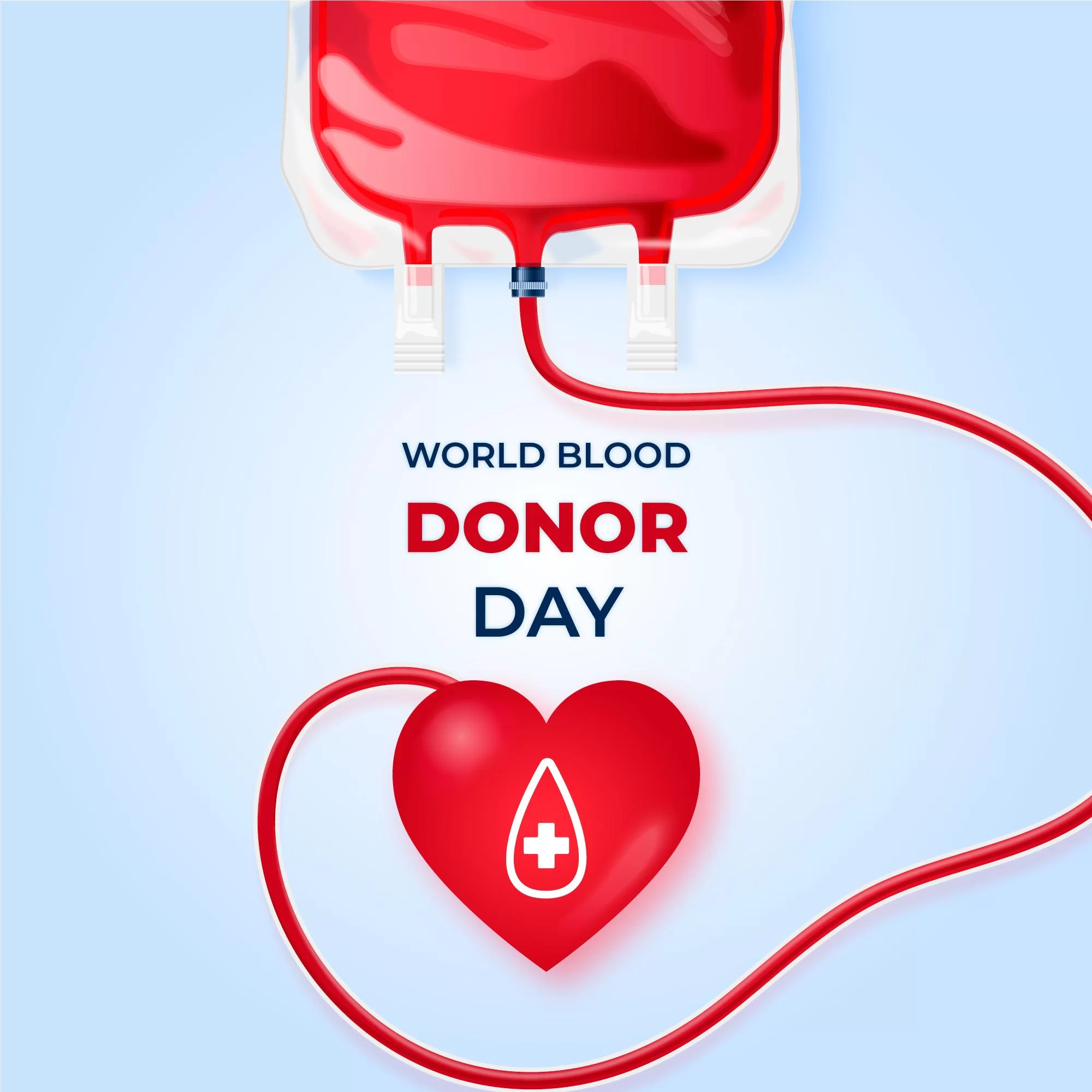
On 14 June, the world celebrates World Blood Donor Day, a global tribute to the millions of voluntary, unpaid blood donors who give others a second chance at life. Their generosity saves lives, strengthens communities and embodies the spirit of solidarity.
Blood donation is a simple yet powerful way to save lives. Whether it’s helping accident victims, surgical patients, or individuals with chronic illnesses, every drop counts. Yet, many people hesitate, not realizing how crucial their contribution can be.
Getting Ready to Donate:
Before donating, take care of yourself—drink plenty of water, eat a balanced meal, and avoid alcohol. Afterward, give your body time to recover by resting and staying hydrated. Regular donors help maintain a steady blood supply, especially for emergencies.
Rare Blood Types Matter:
Some blood types are so uncommon that finding a match can be incredibly difficult. AB-negative, for instance, is one of the rarest, while the Bombay blood group requires highly specific donors. If you have a rare blood type, donating can make a huge difference, potentially saving a life when no other match is available.
How to Donate:
Donating blood is straightforward. Visit a local blood bank or donation drive, where you’ll go through a quick health screening to check your temperature, blood pressure, and hemoglobin levels. Once cleared, the donation itself takes about 8-10 minutes, using sterile equipment to ensure safety. Afterward, you’ll be given refreshments and encouraged to rest before resuming your day.
Consent and Safety Precautions:
Before donating, individuals provide informed consent, ensuring they understand the process and any effects. Blood banks follow strict protocols, screening donors for eligibility and using only sterile equipment. Donations are tested for infections to maintain a safe blood supply.
Blood can’t be manufactured—it relies entirely on willing donors. Whether common or rare, every donation helps. A single act of generosity could mean the difference between life and loss.
Always consult with a healthcare professional before making significant changes to your health, diet or exercise routines, especially if you have underlying health conditions or specific dietary needs.
We hope you found this post helpful and we’d love to hear from you! If you have any comments, suggestions, or feedback, please feel free to share them below. Your input is invaluable to us and helps us improve our content. Also, if there’s a new topic you’re interested in or you’d like us to explore further, don’t hesitate to let us know. And if you enjoyed this article, please like, share, and subscribe for more updates. Your support means the world to us!


Let’s hear it!