
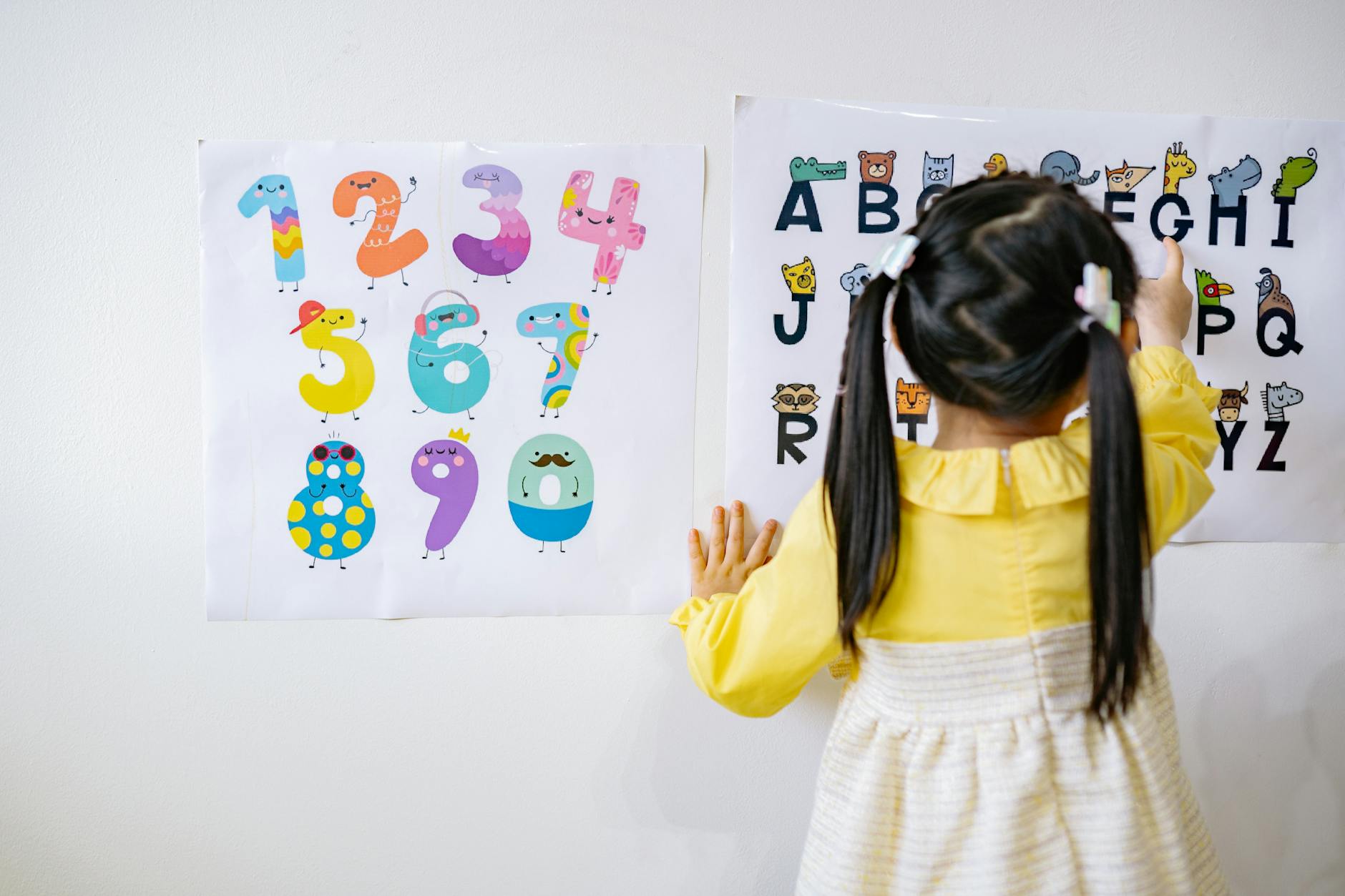
A good study room should be comfortable, well-lit, and free of distractions. According to ancient Indian Vastu Shastra, the direction and ambiance of a study room can significantly impact a child’s concentration and learning capacity. With the shift to online learning due to the COVID-19 pandemic, it has become even more crucial to follow Vastu guidelines to mitigate the negativity generated by electronic devices. Here are some essential Vastu tips for creating a productive study environment for your child.
Importance of Direction and Ambiance
Parents often notice changes in their child’s performance with a change of school, room, or house but may overlook the impact of directional changes. The direction a child faces while studying and the ambiance of their study room can greatly influence their concentration and grasping power. It’s not just about the time spent studying but the quality of concentration and learning that matters.
Vastu Tips for a Productive Study Room
- Direction of the Study Room: The study room should always face the east or west direction of the house, with north being the second-best option.
- Study Direction: The child should face east or north while studying. Display all their rewards, recognitions, certificates, trophies, and motivational posters on the north or east wall. Ensure there is no beam or cabinet over their study table.
- Positioning of Furniture: Avoid placing a door right behind the study chair; instead, have a wall behind it. The study table should have an open area in front. If the table must be along the wall, leave a slight gap between the study table and the adjoining wall for the circulation of energies.
- Visual Environment: Don’t let the child stare at an empty wall in front; hang a motivational poster on the wall. The study table should be square or rectangular in shape, and clear quartz can be kept on the table to enhance concentration.
- Storage and Organization: Keep the east and north walls light, while the south and west walls can have cupboards or storage cabinets for books. Do not stack books on the study table; instead, keep them in a closed cabinet.
- Lighting and Electronics: The table lamp should be kept on the left of the study table to ensure light without hindrance. The computer should be placed either in the southeast or northwest of the table.
- Avoid Distractions: There should not be any mirror visible from the study table as it causes distraction.
- Color Scheme: Use pastel and subtle colors in the study room. For an eastern room, pale yellow and off-white can be used; violet for a northeast room, and pastel green for a study room in the north. Off-white, white, and ivory are the most positive colors for the study room. The curtains should be dark pink, light grey, yellow, or light brown.
Creating a study room that adheres to Vastu Shastra principles can significantly enhance a child’s concentration and learning abilities. By paying attention to the direction, ambiance, and organization of the study space, parents can help their children achieve better academic performance. Implementing these Vastu tips can create a positive and productive environment that supports effective learning.
We hope you found this post helpful and we’d love to hear from you! If you have any comments, suggestions, or feedback, please feel free to share them below. Your input is invaluable to us and helps us improve our content. Also, if there’s a new topic you’re interested in or you’d like us to explore further, don’t hesitate to let us know. And if you enjoyed this article, please like, share, and subscribe for more updates. Your support means the world to us!
While Vaastu Shastra is technically referring to the science of architecture, its current practice often strays into pseudoscience and superstition. Articles on this platform serve as a lens into Hindu culture and living, but they don’t validate unscientific methods. Approach them with critical discernment.






Leave a Reply to ZeraCancel reply