
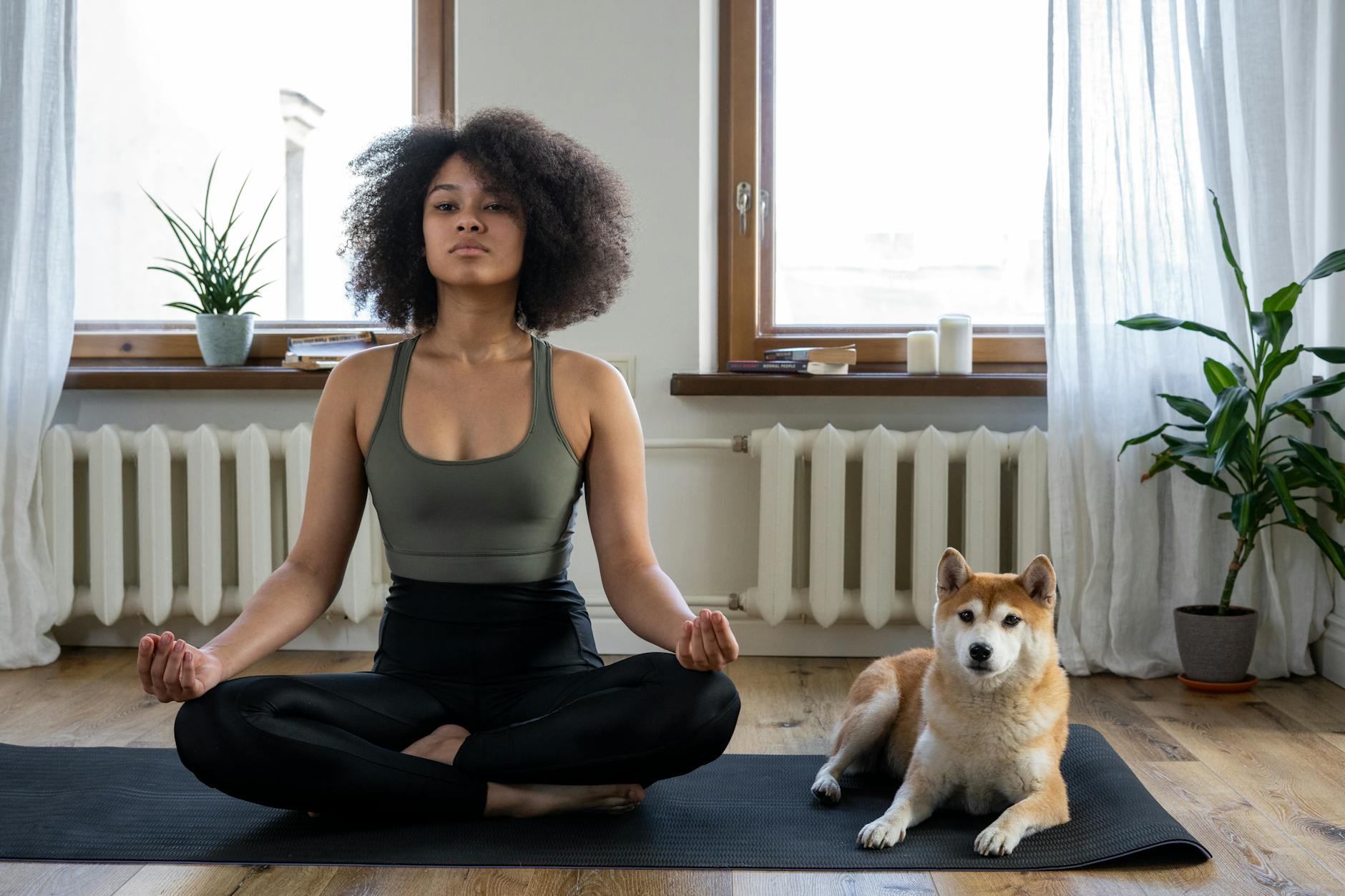
In the hustle and bustle of our daily lives, we often find ourselves yearning for a moment of tranquility, a breath of fresh air, or simply a break from the constant chatter of our minds. Enter mindfulness and meditation, two practices that have been gaining popularity worldwide due to their profound impact on mental and physical health.
What is Mindfulness and Meditation?
Mindfulness is the basic human ability to be fully present, aware of where we are and what we’re doing, and not overly reactive or overwhelmed by what’s going on around us. Meditation, on the other hand, is a practice where an individual uses a technique – such as mindfulness, or focusing the mind on a particular object, thought, or activity – to train attention and awareness, and achieve a mentally clear and emotionally calm and stable state.

The Science Behind the Practice
Research has shown that mindfulness meditation changes our brain and biology in positive ways, improving both mental and physical health1. It influences two different stress pathways in the brain, changing brain structures and activity in regions associated with attention and emotion regulation.

The Benefits of Mindfulness and Meditation
Mindfulness and meditation have been found to reduce stress, anxiety, and depression. They can also improve memory, strengthen relationships, and even change the structure and function of your brain in positive ways. Some of the most promising research has looked at people with depression, finding that mindfulness-based cognitive therapy (MBCT) can significantly reduce relapse in people who have had previous episodes of major depression.

How to Practice Mindfulness and Meditation
Practicing mindfulness and meditation is simpler than you might think. Here are some steps to get you started:
- Find a quiet place: Choose a spot that gives you a stable, solid seat, not perching or hanging back.
- Set a time limit: If you’re just beginning, it can help to choose a short time, such as 5 or 10 minutes.
- Focus on your breath: Direct your attention to the flow of your breath. Breathe in and out slowly and deeply.
- Observe your thoughts and feelings: Instead of responding or reacting to those thoughts or feelings, aim to note them and let them go.

Remember, like any other skill, mindfulness and meditation require practice. So, be patient with yourself and make these practices a part of your daily routine.
Conclusion

Incorporating mindfulness and meditation into your daily life can be a game-changer. Not only do they help in enhancing your mental and physical well-being, but they also guide you towards living a more balanced and fulfilled life. So why wait? Embark on this journey of self-discovery and inner peace today!







Let's hear it!