
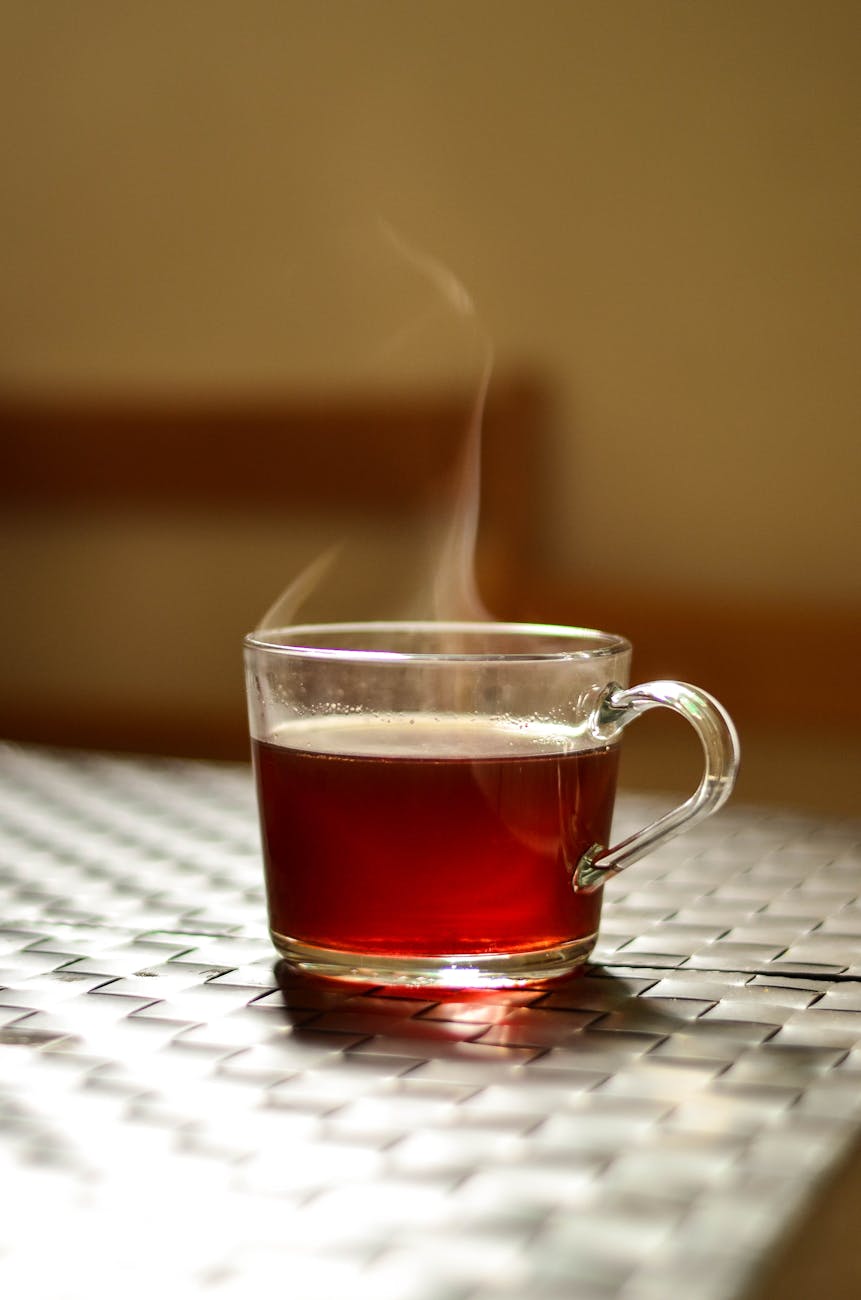
The debate between tea and coffee is a long-standing one, with each beverage having its own set of loyal followers. While some prefer the robust flavor and energy boost from coffee, others enjoy the soothing and varied flavors of tea. This blog will explore the benefits and drawbacks of both, along with some insights into green tea and decaf coffee.
Tea vs. Coffee
- Tea Consumption:
- In the rainy season, many people prefer tea, consuming it 5 to 6 times a day. The issue isn’t tea itself but the snacks or biscuits often consumed with it. Tea is acidic, prompting people to eat something with it to balance the iron in their food. To mitigate this, drink tea either 10-15 minutes before or after eating.
- Sweet tea, especially with sugar, provides empty calories and can be problematic for diabetics. Opt for tiny cups, like the “cutting chai” in India, to reduce intake.
- Managing Acidity:
- If you experience acidity in the morning, drink two glasses of water on an empty stomach. After using the toilet, you can have tea. If acidity persists, eat something like fresh fruit or dry fruits before drinking tea.
- Tea has beneficial components, but avoid adding spices like ginger, mint, or cloves regularly. Ordinary tea is common in India, while white tea, which has special antioxidants, is less so. Green tea is a better option for antioxidants as it doesn’t require milk or sugar.
- Green Tea:
- Green tea is often marketed for weight loss and low sugar, but be cautious of quality and cost. It’s a good source of antioxidants but not a miracle solution for weight loss.
- Coffee:
- Coffee contains caffeine, which keeps you alert for 7-8 hours but can disturb sleep. Drink coffee during the day to avoid sleep issues. Caffeine can also interact with medications, reducing their effectiveness.
- Black coffee is recommended before exercise for an energy boost. Both black coffee and coffee with milk are beneficial, but avoid large quantities.
- Decaf Coffee:
- Decaf coffee contains about 30% of the caffeine found in regular coffee. It’s fine in moderation, up to twice a day.
- Alternative Teas:
- Options like ginger tea, lemon tea, jasmine tea, and chamomile tea are available without milk and sugar. These can be consumed in moderation for better sleep. Avoid herbal teas marketed for weight loss as they may not be beneficial for health.
Both tea and coffee have their own benefits and drawbacks. Tea offers a variety of flavors and antioxidants, while coffee provides a stronger caffeine boost. Green tea and decaf coffee are good alternatives, but it’s essential to consume all beverages in moderation. Choose what suits your lifestyle and health needs best.
We hope you found this post helpful and we’d love to hear from you! If you have any comments, suggestions, or feedback, please feel free to share them below. Your input is invaluable to us and helps us improve our content. Also, if there’s a new topic you’re interested in or you’d like us to explore further, don’t hesitate to let us know. And if you enjoyed this article, please like, share, and subscribe for more updates. Your support means the world to us!







Let's hear it!